
Termite Control
Carpenter Ants vs. Termites: Which Damage Do You Have?
Published 2026-11-02 · Joliet Pest Control Service
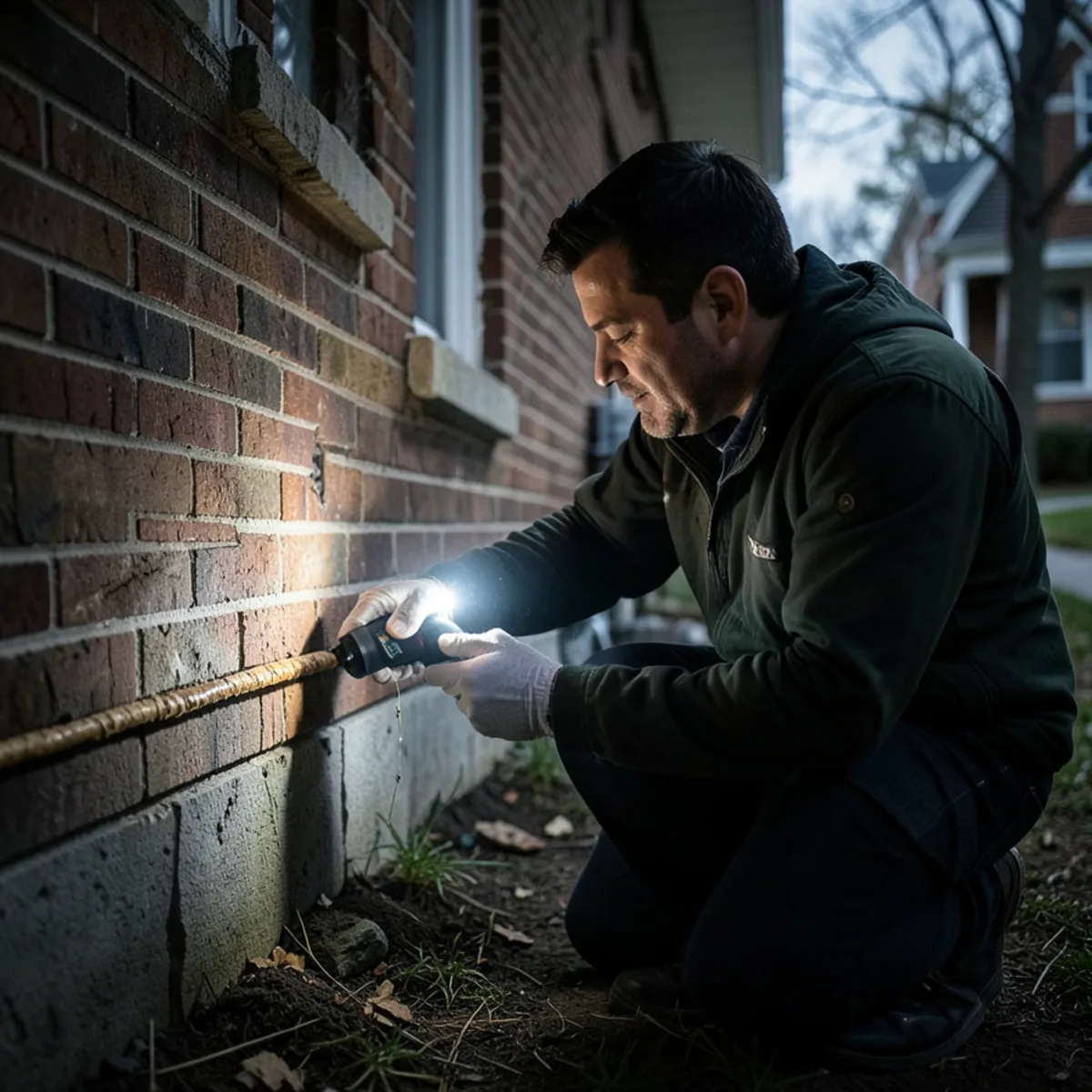
Carpenter ants and termites both damage wood, but they leave very different evidence: carpenter ants excavate clean, smooth galleries and push out sawdust-like frass, while termites pack their tunnels with mud and soil. Telling them apart matters, because the treatment and the urgency differ.
Need help now? Free inspection, written quote.
Call (209) 563-1650Read the wood
The damage pattern is the clearest tell:
- Carpenter ants: clean, sanded-smooth galleries, with coarse sawdust-like frass (and insect parts) pushed out of slit openings.
- Termites: tunnels packed with mud and soil, often hidden, with a thin layer of wood left on the surface.
- Carpenter ants nest in wood but do not eat it; termites eat the cellulose itself.
Read the insect
If you see the insects or their swarmers, the body tells you which: carpenter ants have a pinched waist, bent (elbowed) antennae and two pairs of unequal wings; termite swarmers have a straight, thick waist, straight antennae and two pairs of equal-length wings. In spring, both can swarm indoors near windows, which is when homeowners most often confuse them.
What each means for your home
Carpenter ants usually point to a moisture problem — they prefer wood softened by a leak, poor flashing or condensation — so the fix pairs colony treatment with drying out the wood. Termites are a structural concern that works silently from the soil up, so active termites call for a prompt inspection and a treatment barrier or bait system.
In older Lockport and Joliet homes, damp sills and trim invite carpenter ants, while subterranean termites remain a steady risk across northern Illinois.
The takeaway
Clean galleries and frass mean carpenter ants and a moisture fix; mud-packed tunnels mean termites and a treatment plan. Not sure? Call (209) 563-1650 for an inspection.