Stinging Insect Control
Why Yellow Jackets Get Aggressive in Late Summer
Published 2026-11-02 · Joliet Pest Control Service
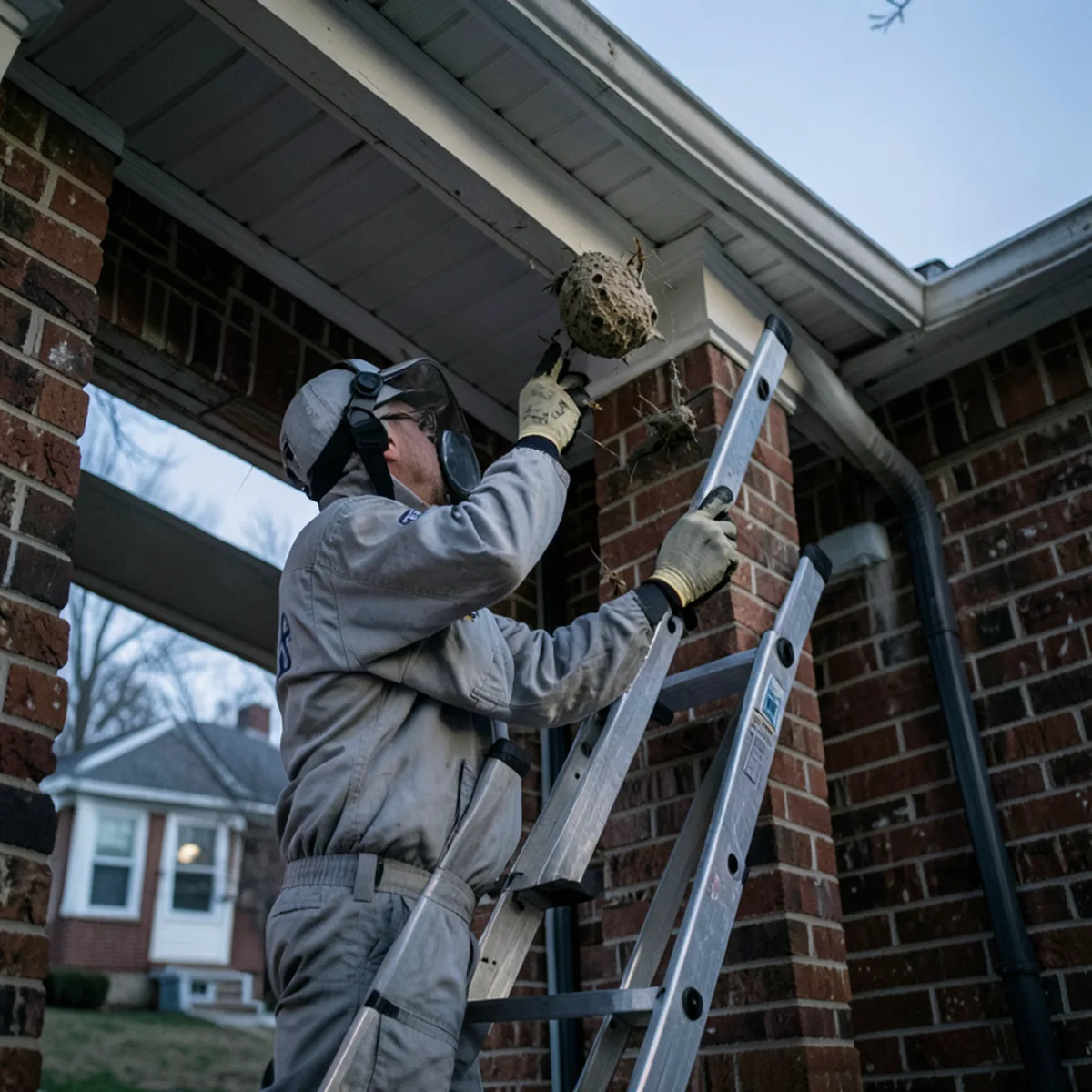
Yellow jackets get aggressive in late summer because colonies are at peak size, their food shifts toward sugars, and more foragers defend a large nest — which is why August and September bring the most stings in Illinois. Understanding the behavior is the first step to avoiding it.
Need help now? Free inspection, written quote.
Call (209) 563-1650Peak colony, peak defense
A yellow jacket colony starts small in spring and grows all summer, reaching its largest size — often thousands of workers — by late summer. More workers means more foragers out looking for food and more defenders ready to protect a big, valuable nest. Simply put, there are more yellow jackets around and they have more to defend.
The sugar shift
Early in the season, yellow jackets hunt insects to feed their larvae. By late summer the colony’s needs change and foragers turn to sugars and carbohydrates. That is why they suddenly crash picnics, hover around soda cans, fruit and trash, and come into much closer contact with people.
This food shift, combined with the big colony, is what turns a background nuisance into the aggressive late-summer stinging insect everyone notices.
How to stay safe
A few habits reduce stings during the peak weeks:
- Keep food and sweet drinks covered outdoors; check cans before you sip.
- Clean up spills and keep trash cans closed and away from seating.
- Do not swat — crushing a yellow jacket releases an alarm signal that draws others.
- Stay clear of ground and wall nests, and watch for steady insect traffic to one spot.
What about the nest?
A nest near where people gather is best treated at the source rather than disturbed, because a late-summer colony defends fiercely. Ground nests and wall-void nests are treated at the entrance, ideally at dusk or dawn when the colony is least active. Trying to deal with a large late-season nest yourself is how people get stung repeatedly — a job for protective gear and the right timing.
The takeaway
August yellow jackets are more numerous, hungry for sugar and defensive. Cover food, avoid swatting, and leave the nest to a pro. Call (209) 563-1650.